
Inside Our 2025-26 Snow Leopard Expedition.
A winter of unforgettable Snow Leopard sightings, rare Ladakh wildlife and wonderful Expedition experience.
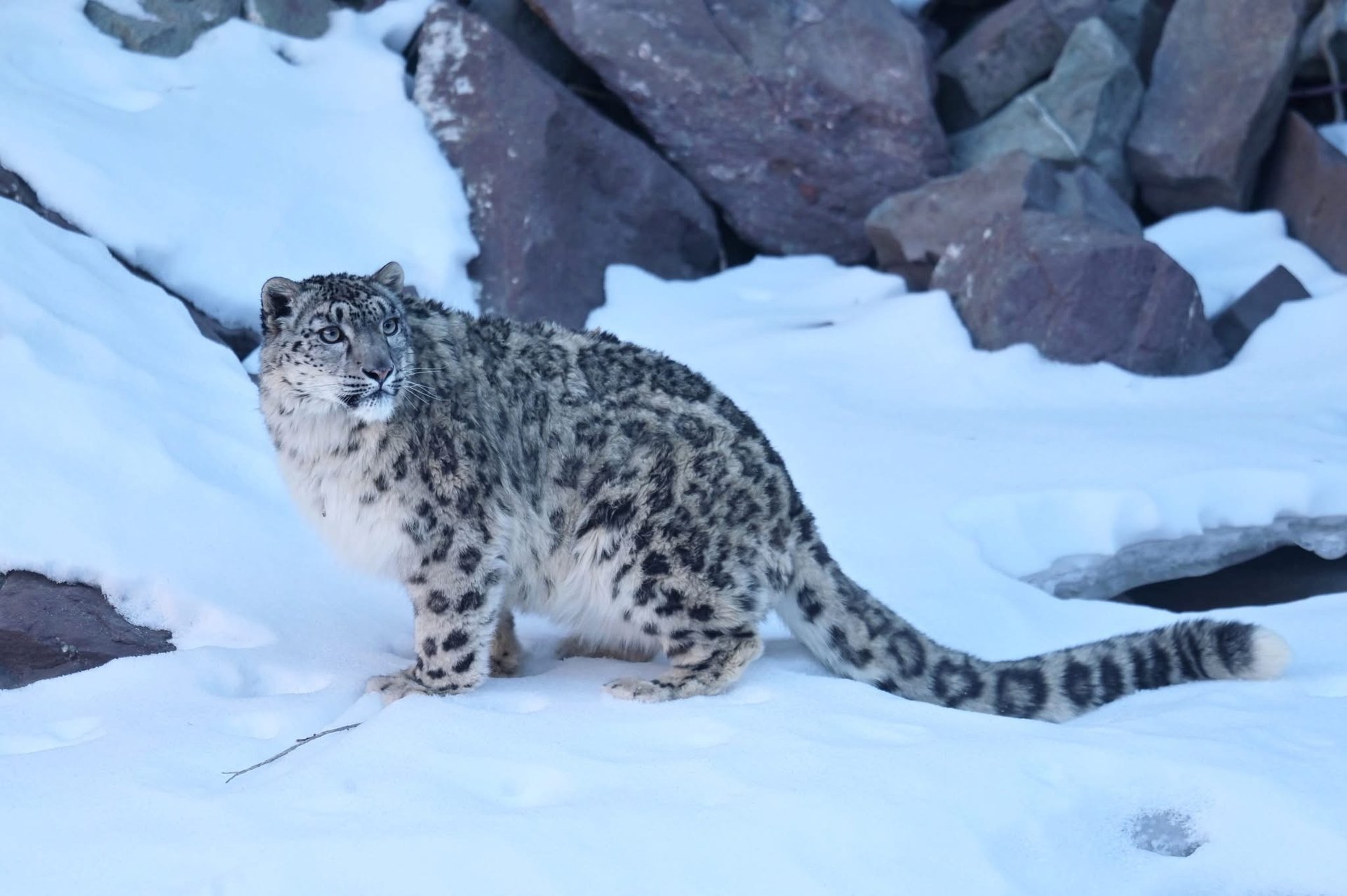
It was a cold January morning in 2026 in the Gya Meru Valley of Ladakh.
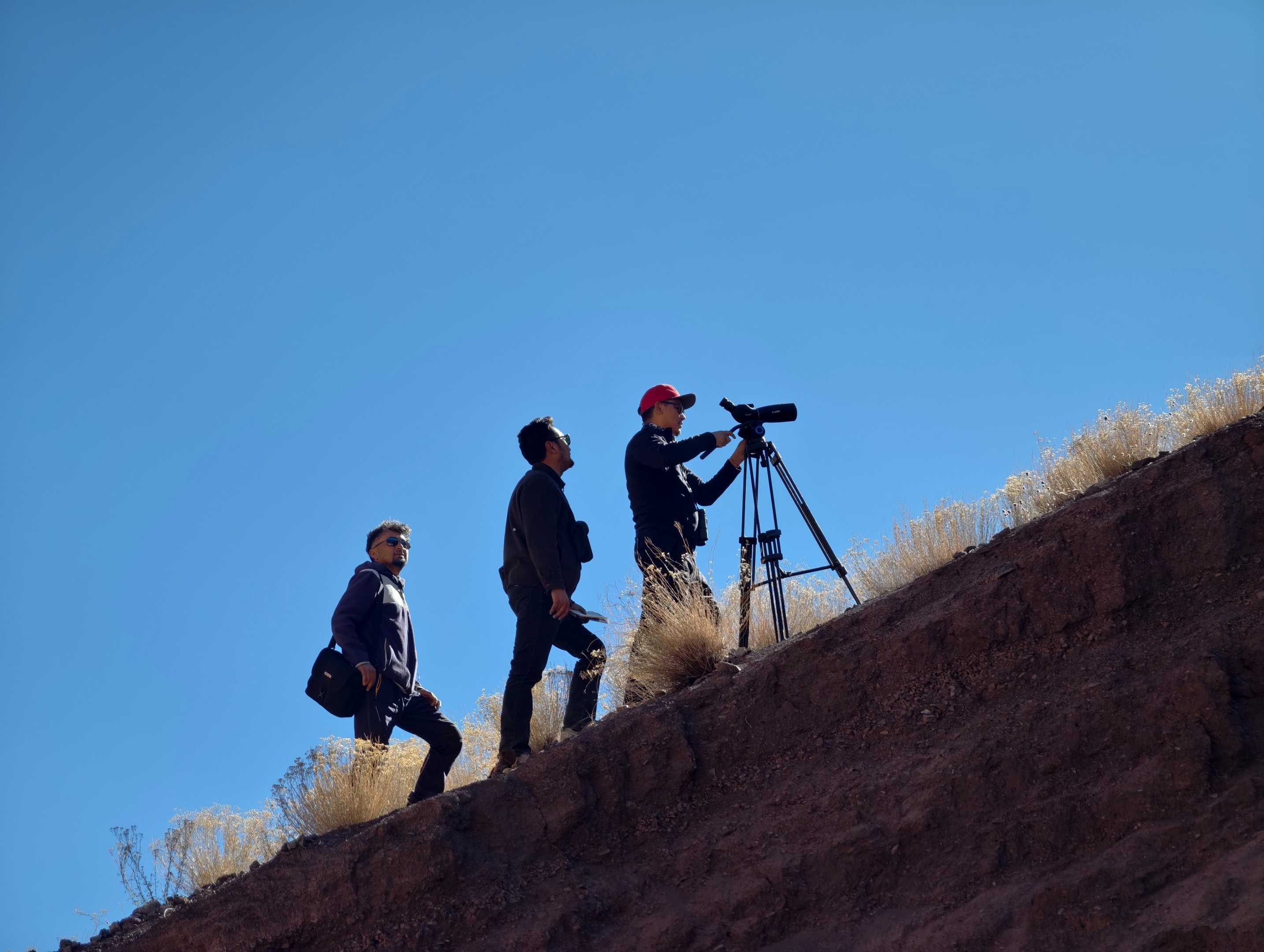
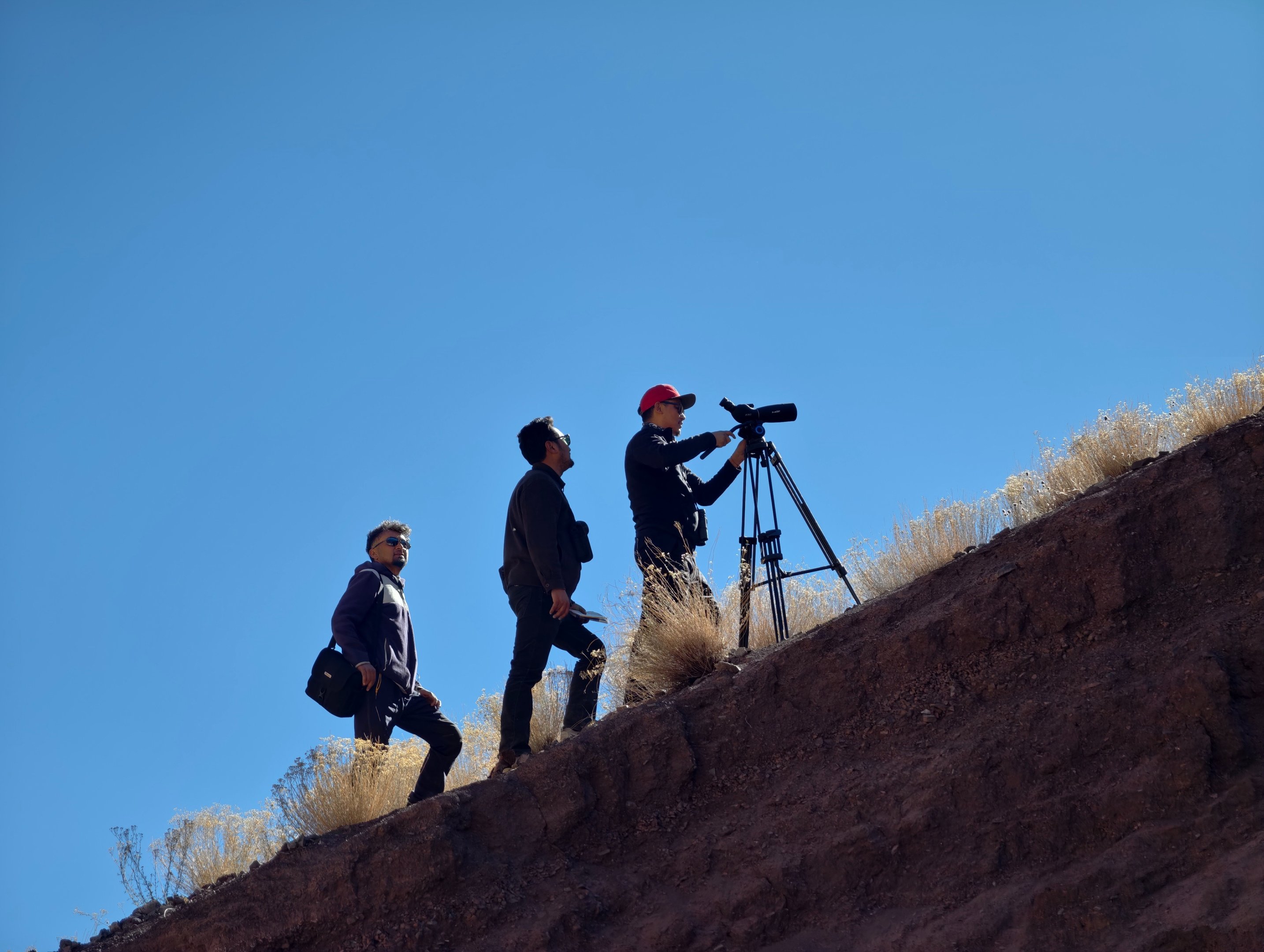
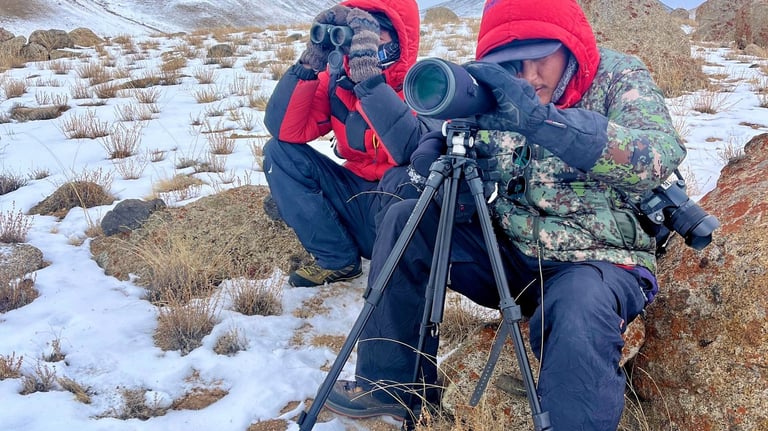
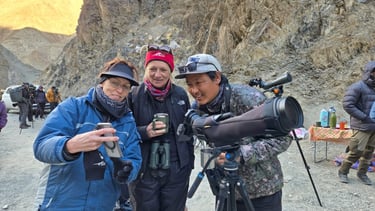
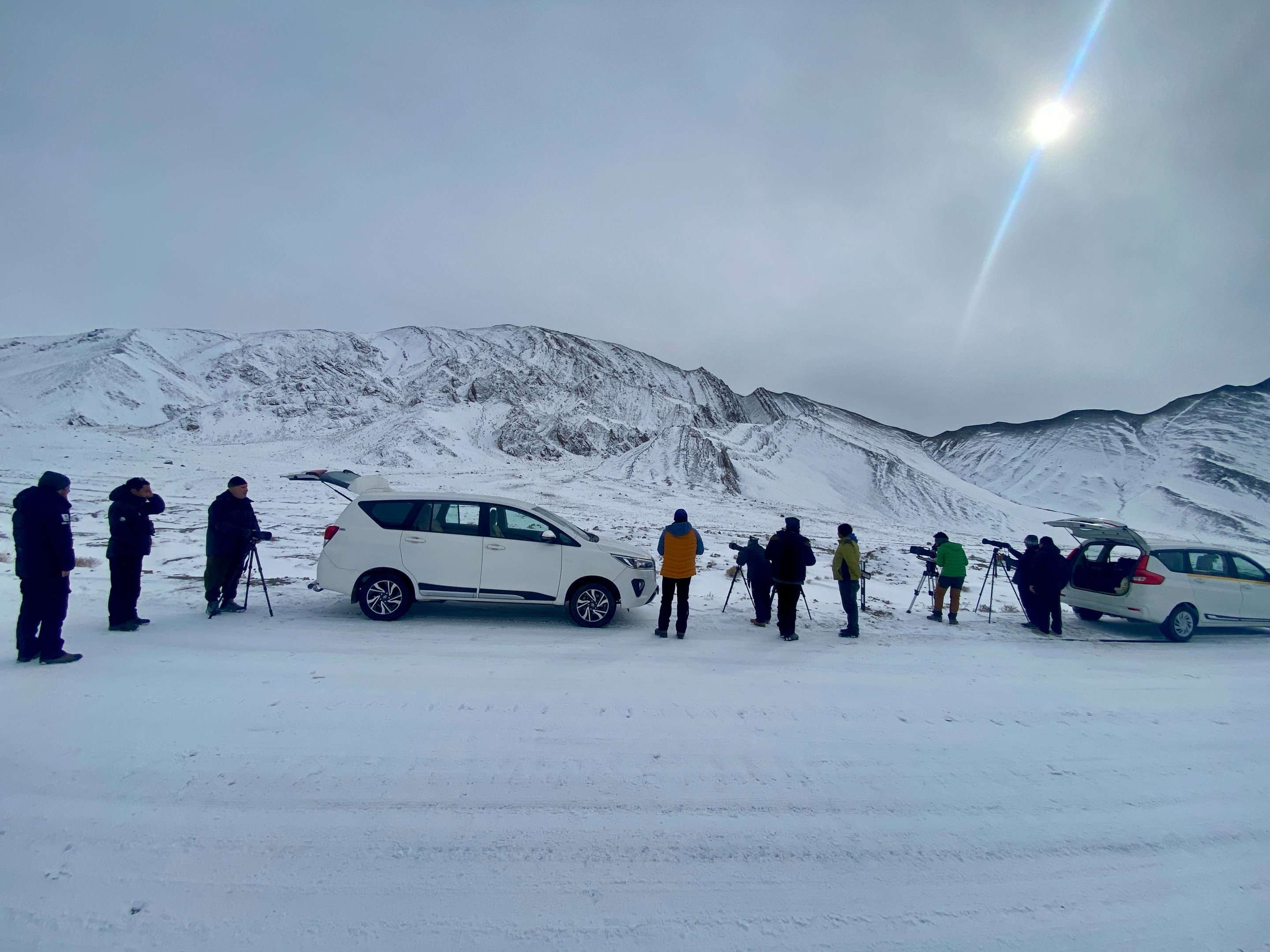
Our teams were silently scanning the cliffs through spotting scopes in the cold morning. For hours there was nothing, only silence, and the vast stillness of the mountains.
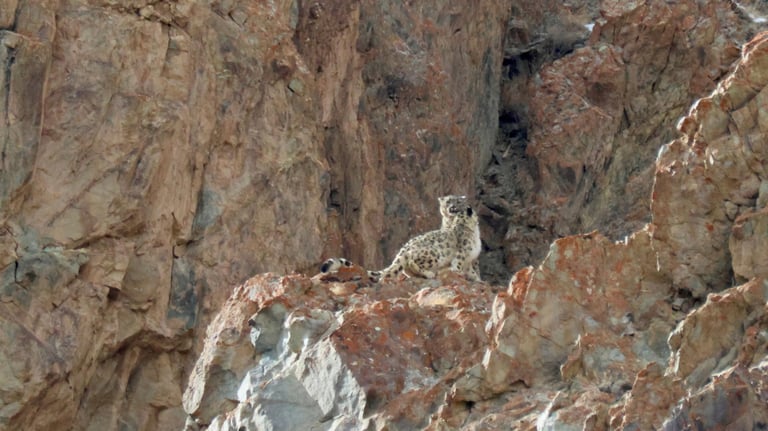
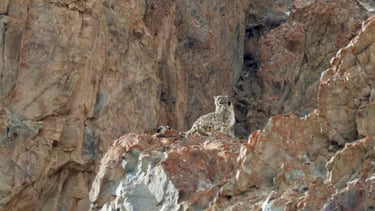
Then suddenly Dorjey, one of our spotters, noticed some movement high above the ridge. A snow leopard emerged from the rocks. Slowly and confidently it walked along the ridgeline before disappearing once again into the mountain. That unforgettable sighting became the perfect beginning to our 2025–26 Winter Snow Leopard Expedition season.
Over the course of the winter we organised 10 expedition, and every single group witnessed snow leopards in the wild thus achieving a 100% sighting record. This hundred percent sighting was not simply luck, but the result of years of local knowledge, patient tracking, dedicated teamwork, and responsible expedition planning.
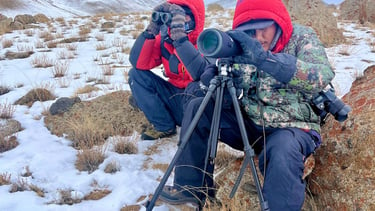
Tream Scanning through the Scope.
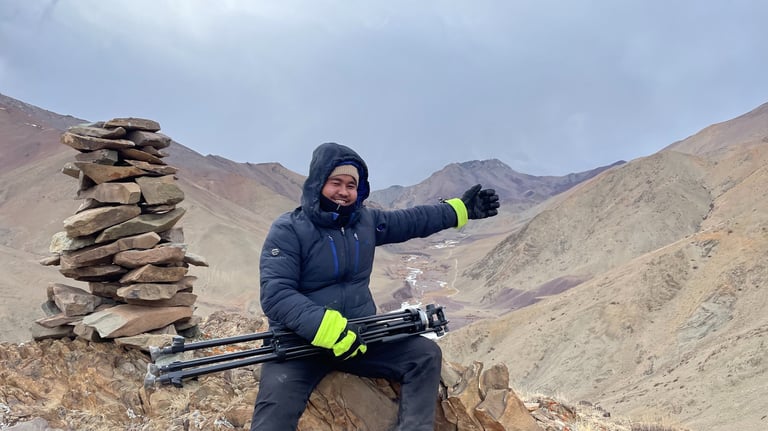
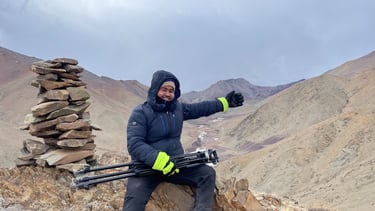
Dorjey Enjoying thte view after a hard climb.
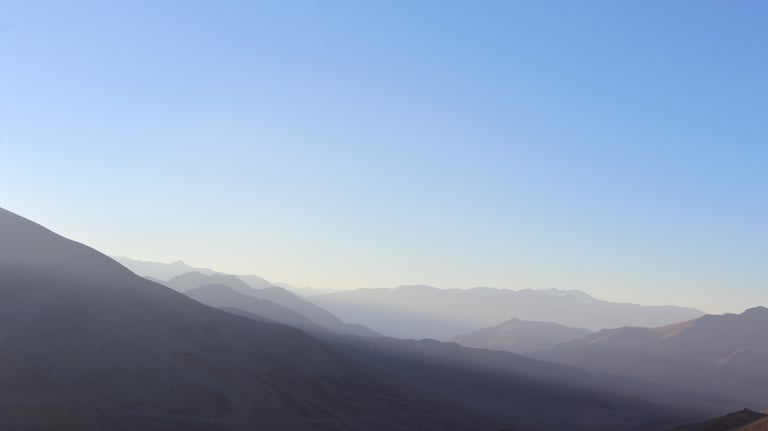
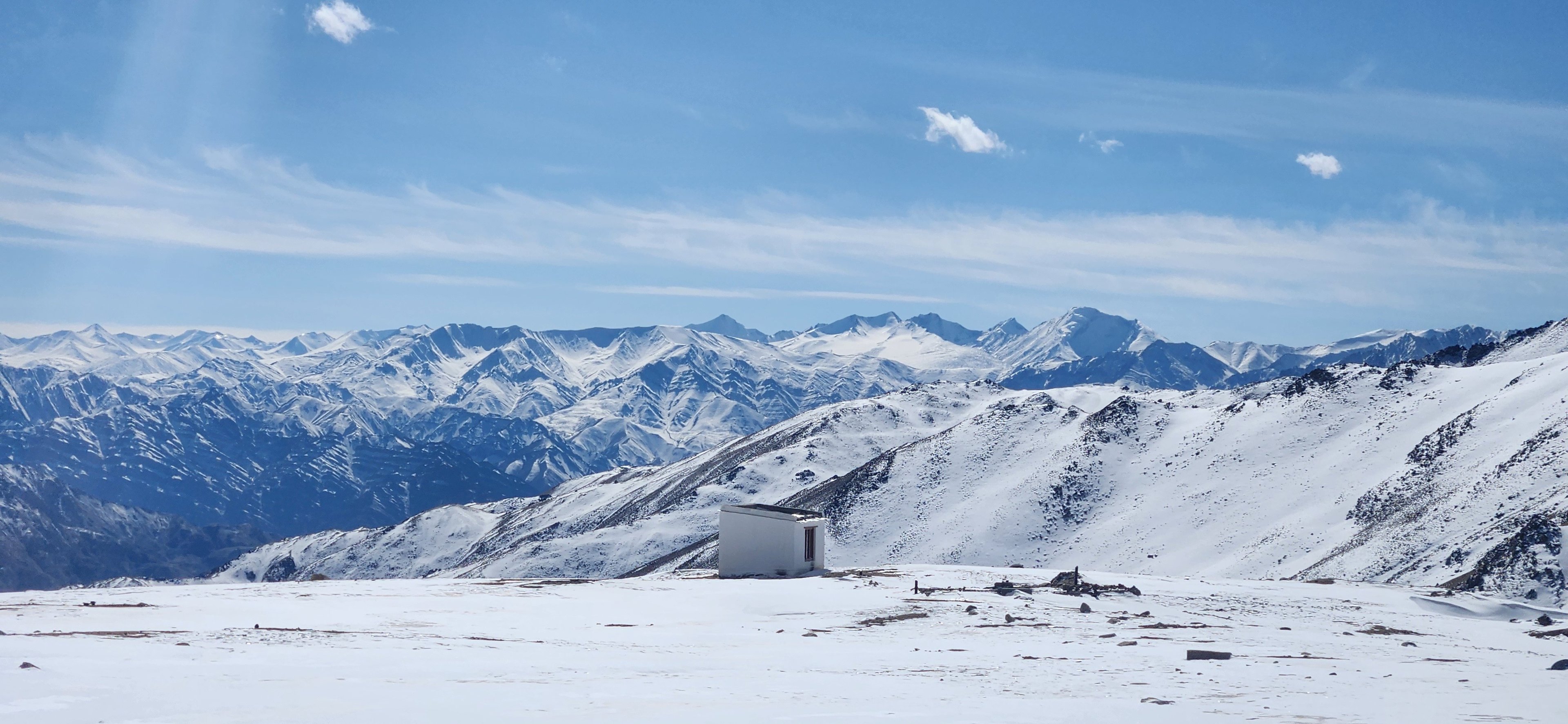
Early morning view from Taklang la.
The winter of 2025–26 began differently from previous year.
At the start of the season, Ladakh received very little snowfall, and for a while we were thinking what if the entire winter would remain like this. But slowly the snow began to fall and covering the valleys and mountains in white. These are the ideal conditions for tracking snow leopards. Fresh snowfall reveals movement across the terrain, prey species begin shifting through the valleys, and the mountains transform into the dramatic landscapes that make Ladakh one of the world’s finest places for snow leopard expeditions. But, successful snow leopard expeditions are never simply a matter of weather or luck.
Every Snow Leopard expedition involves weeks of preparation before guests even arrives. Our local tracker continuously monitor valleys, wildlife movement, fresh track, recent sightings, and prey activity across different regions. Communication between spotters, guides, and local communities plays a vital role in understanding where snow leopards may be moving. The result was a season filled with remarkable encounters. Some groups saw snow leopards within the first few days of the expedition, while others experienced the true essence of snow leopard tracking, long days of scanning mountainsides before finally being rewarded with unforgettable sightings.
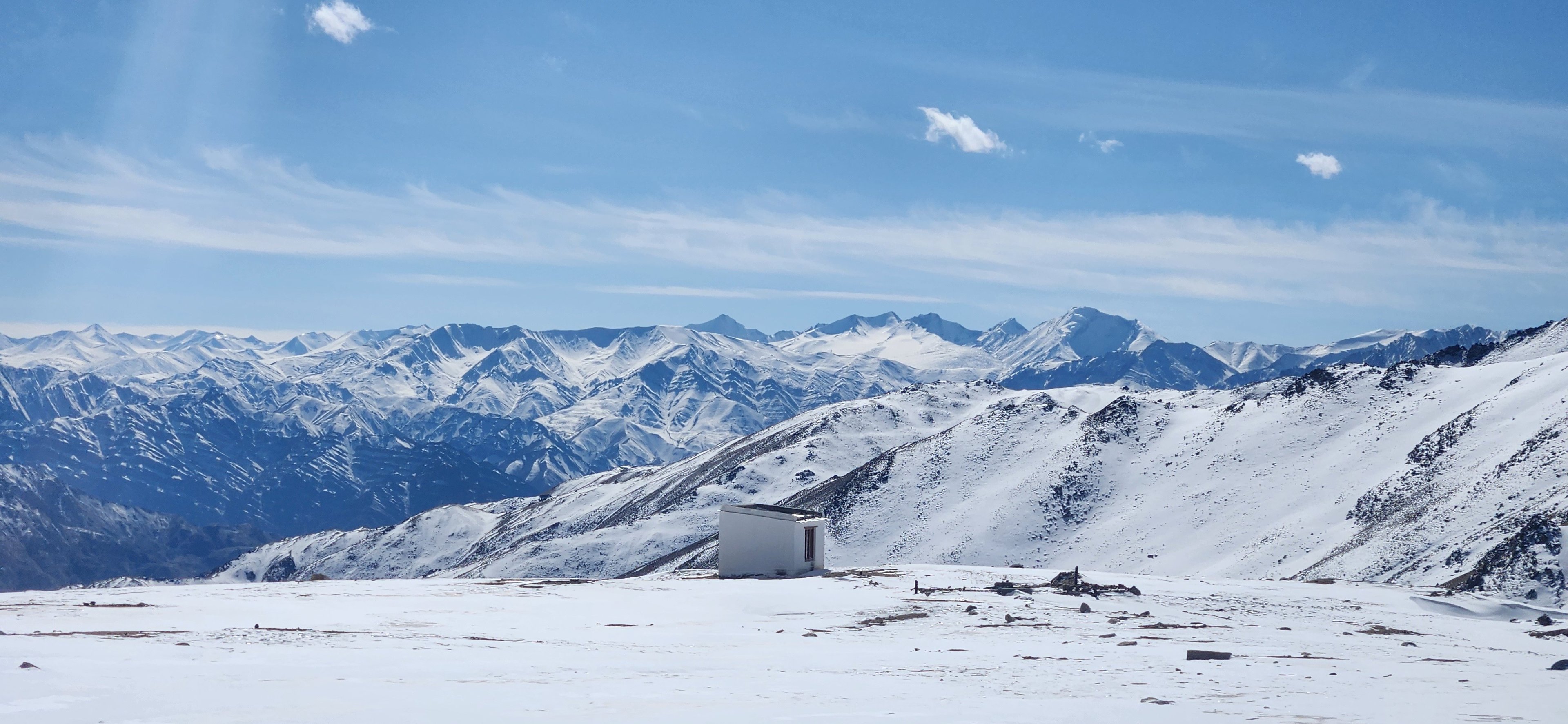
View from Warila
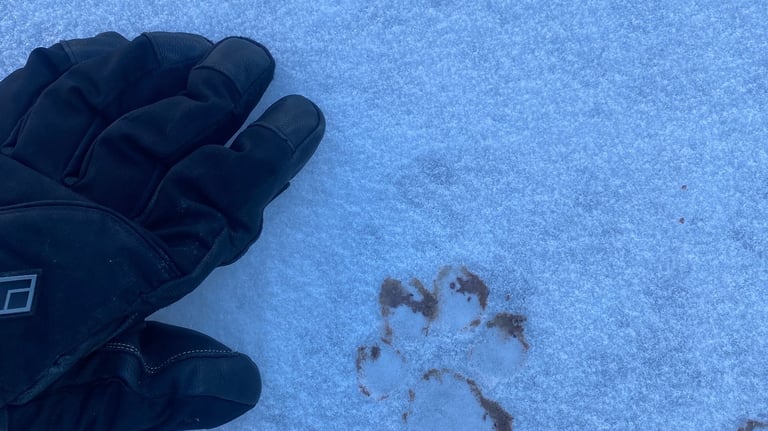
A Fresh Tibetan Wolf Pugmark in Tsaba Valley
Scanning for Eurusian Lynx
Snow leopards are among the most elusive big cats on Earth. Living in extreme high altitude terrain surrounded by rugged cliffs and remote valley, they are masters of camouflage and movement. Even experienced trackers can spend days scanning mountain before noticing the slightest movement among the rocks.
And that is what makes every sighting so meaningful. Snow leopard expeditions demand patience, endurance, and complete immersion in the landscape. Guests become active participants in the search, learning how to read terrain, understand animal behaviour and many more. A typical expedition day often began before sunrise.
As the first light touched the mountain ridges, our teams moved into observation positions with spotting scopes and binoculars, carefully scanning cliffs and valleys where snow leopards were known to travel. Hours could pass in complete silence, interrupted only by the sound of wind or the distant calls of Chukars and Snowcocks, and Chough crossing the sky. Then everything could change in an instant.
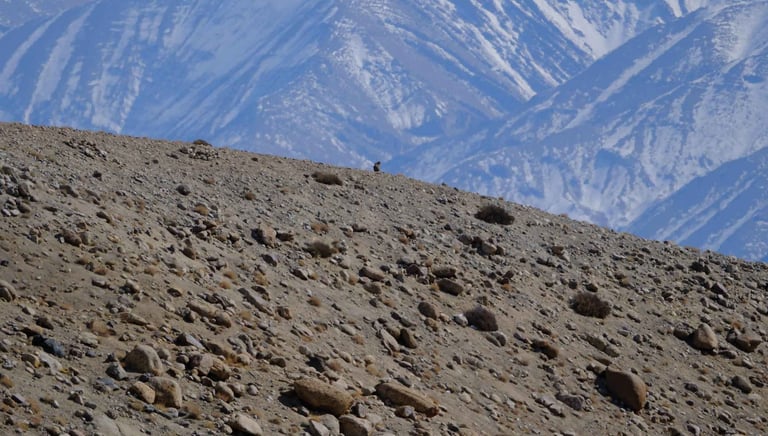
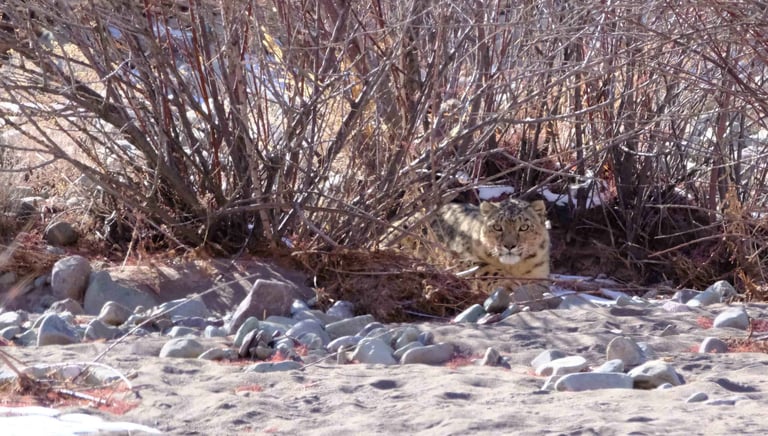
A moving tail,A silhouette on a ridgeline,Fresh tracks in the snow. The mountains rewarded patience.
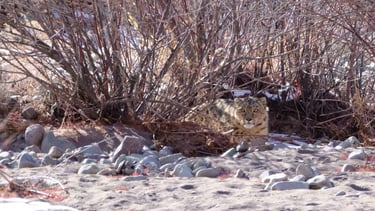
Try Spot the Snow Leopard in the picture.
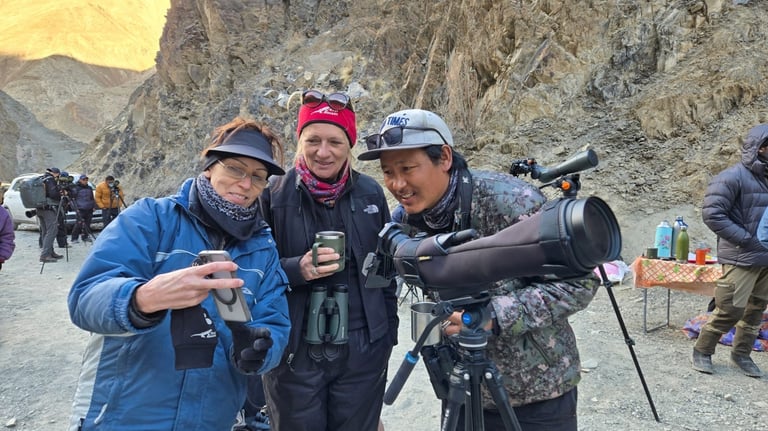
Enjoying the Snow Leopard Shighting in Rumbak
Winter birding session
Every winter creates unforgettable memories, and this season also gave us many.
One of the most close up snow leopard sighting took place in Shang Valley, where we saw a snow leopard at a distance of around 60 metres with a recent kill of the Blue Sheep. Our guests spent nearly the whole day watching the Snow Leopard in the valley. What made the sighting even more dramatic was the arrival of a red fox.
The fox tries to steal from the snow leopards kill, forcing the leopard to stalk and chase it away across the bushes. Through spotting scopes, even the smallest details became unforgettabl, the thick winter coat, the powerful shoulders, the long balancing tail, and the calm confidence of the Ladakh mountain greatest predators.
Another unforgettable moment came in Rumbak Valley, where one of our groups witnessed snow leopard mating behaviour, an very rare experience in the wild. We spent the entire day following the pair through the valley, observing their behaviour from a respectful distance. Some moments were memorable not because of dramatic wildlife behaviour, but because of the emotion behind them.
One evening in Gya Meru Valley our entire team was super tired after spending hours scanning the mountains with no success. We were almost ready to return when Dorjey suddenly spotted a snow leopard walking along a distant ridgeline. Within seconds all tiredness disappeared. Moments like these remind us why snow leopard tracking is so special. No matter how many expeditions we lead, the excitement of a first sighting never fades.
The Close up Shighting at Shang.
Mating pair at Rumbak
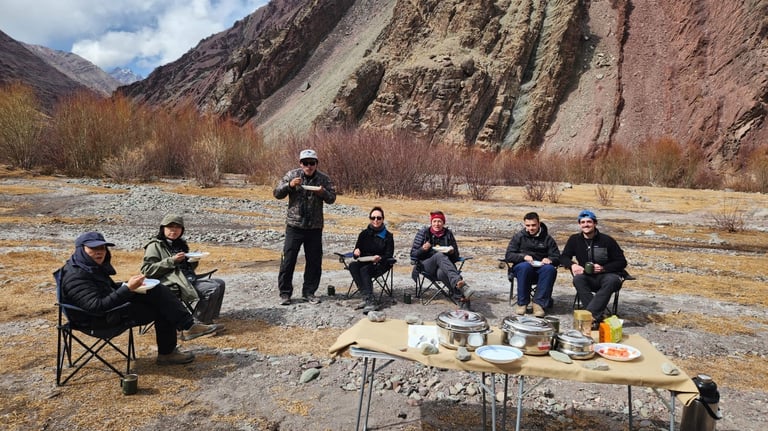
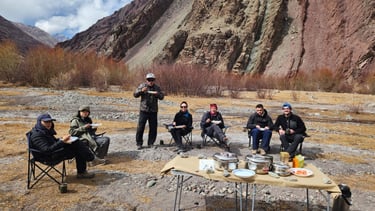
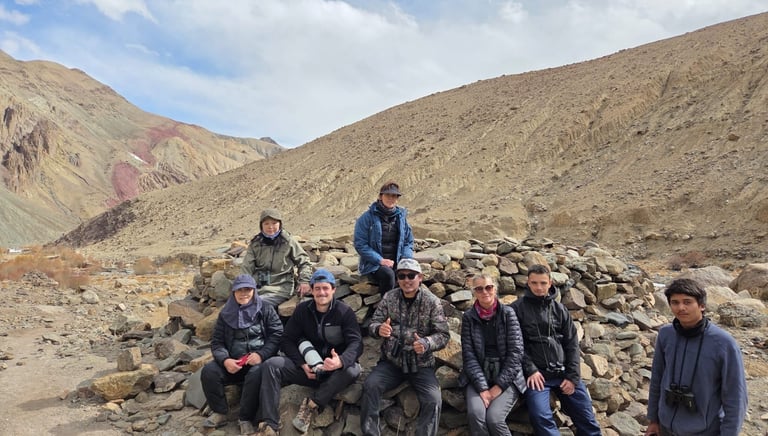
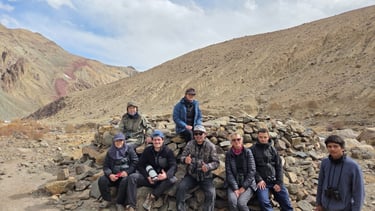
Enjoying Lunch in the wilderness
While snow leopards remained the highlight of the season, the winter in Ladakh offered far more than a one species. Throughout the expeditions, guests regularly saw
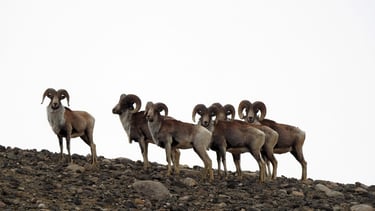
Blue sheep, Asiatic ibex, Ladakh urial,Tibetan wolves, Red foxes, Golden eagles, Bearded vultures
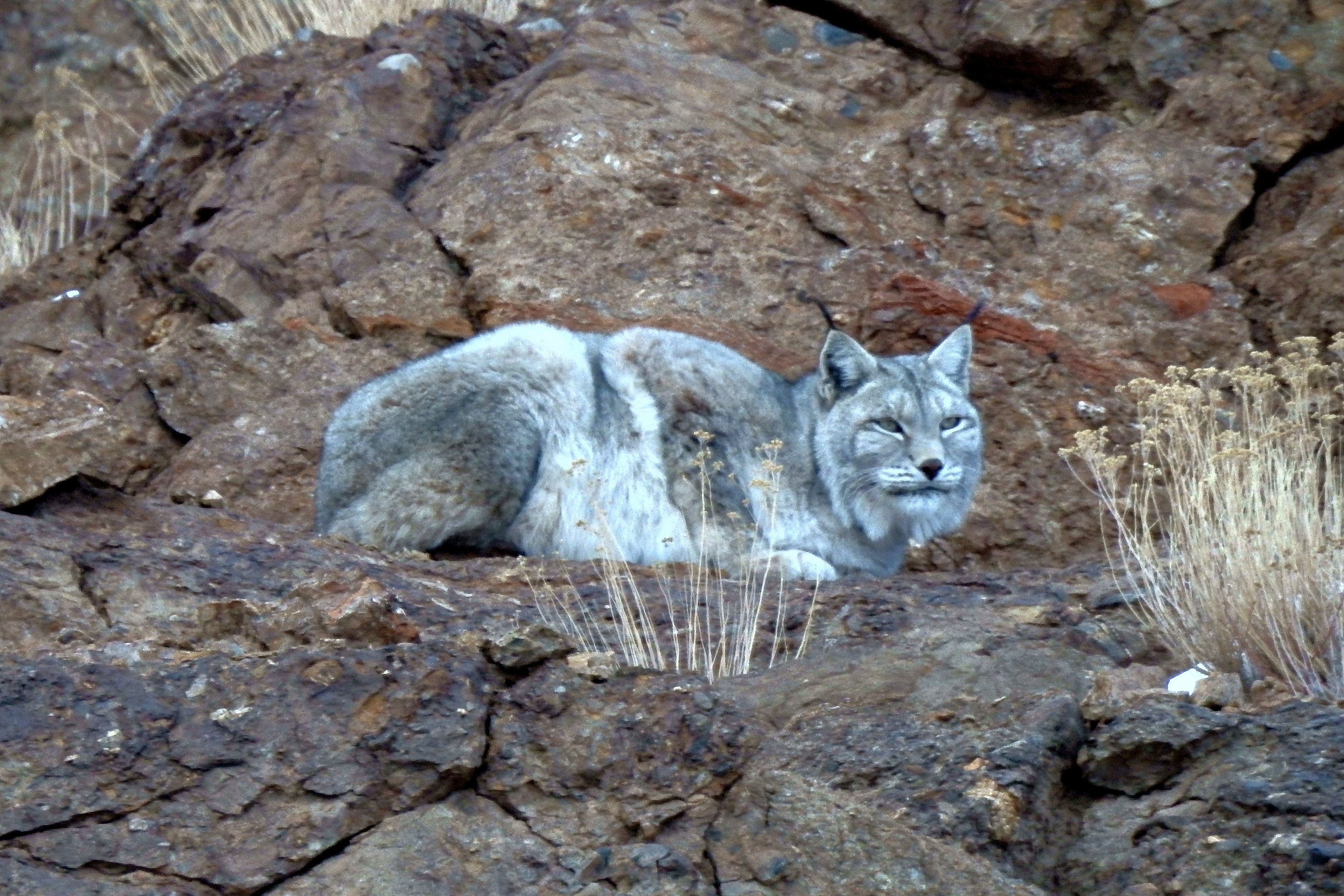
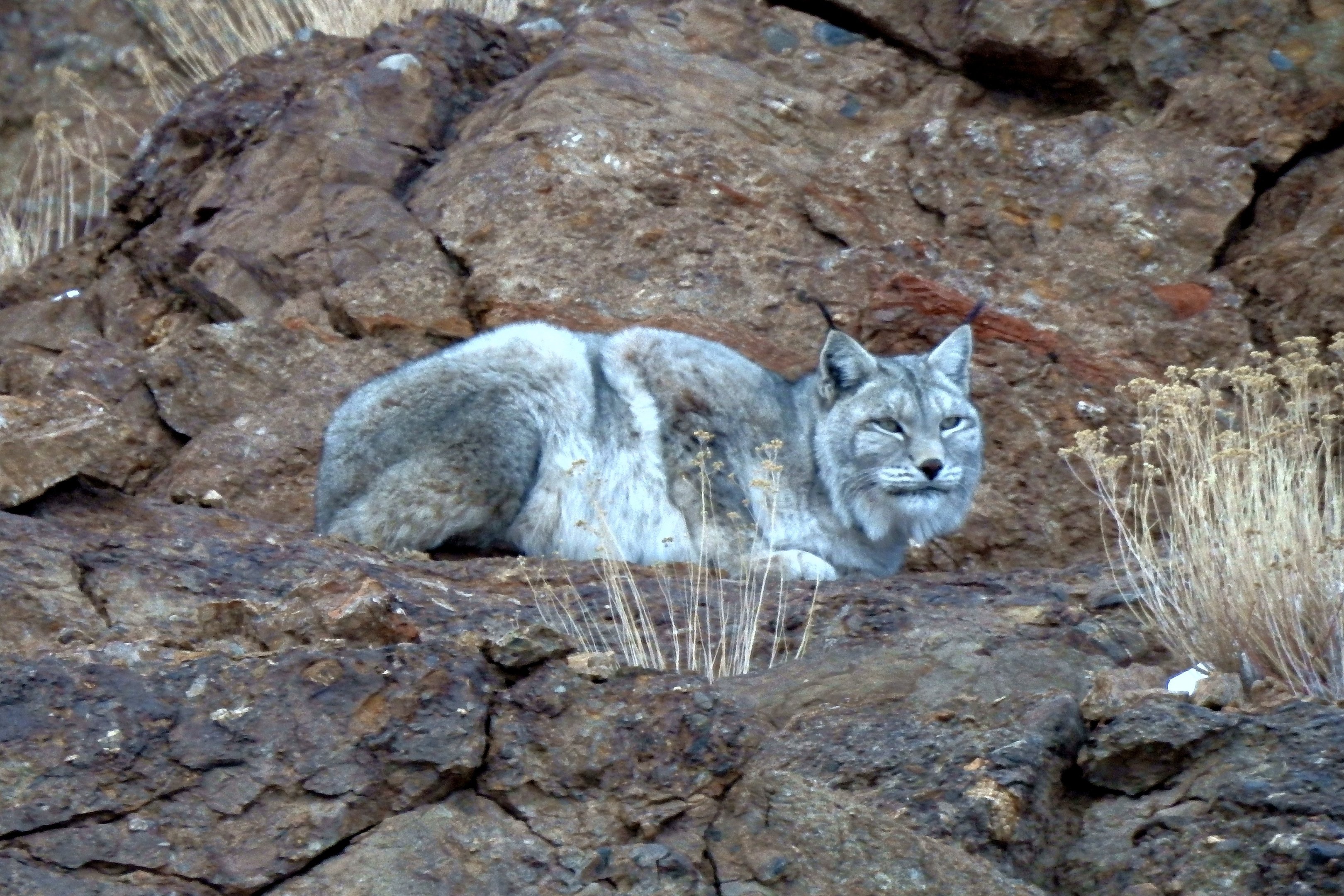
This winter also brought multiple sightings of another elusive predator, the Eurasian lynx. At Warila near Sakti village, we were lucky to see the eurasian lynx multiple times throughout the season. One particularly memorable experience occurred when our group heard the mating call of a lynx echoing through Shanglung, known locally in Ladakhi as the “Valley of Wolves.” After hearing the calls, we spent hours scanning the valley without success. Then finally, one eurasian lynx emerged from the rocks and began calling loudly across the valley. We waited in the freezing wind until darkness, hoping a second Eurusian lynx would appear. Although its mate never arrived, the experience itself felt very special, a reminder of how wild and unpredictable these mountains truly are.Our guests also enjoyed several exceptionally close sightings of Pallas’s cats in Hanle this winter. Alongside them, we observed Tibetan gazelles, Tibetan wild asses, and a variety of high altitude bird species across the Changthang region.
Eurusian Lynx in Tsaba valley.
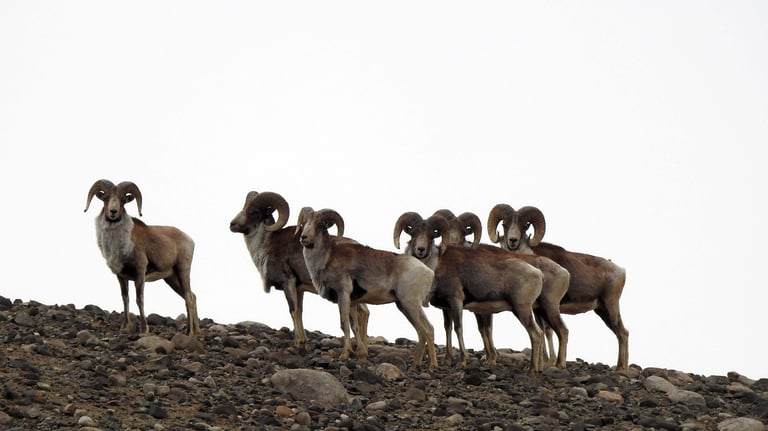
Tibetan Argali in Tsaba valley.
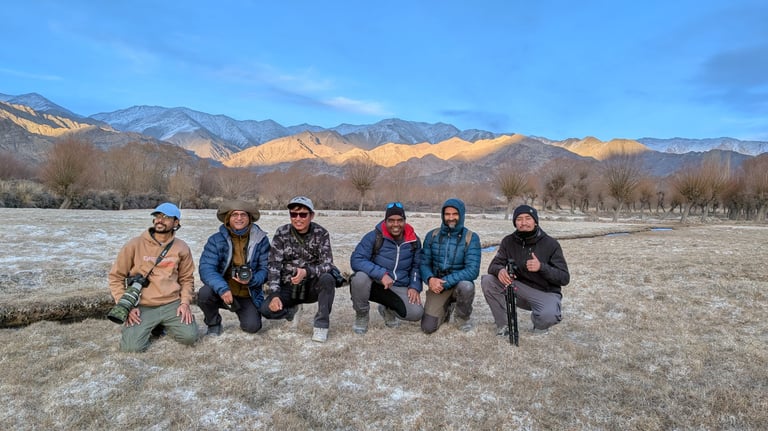
Selfie time at Warila.
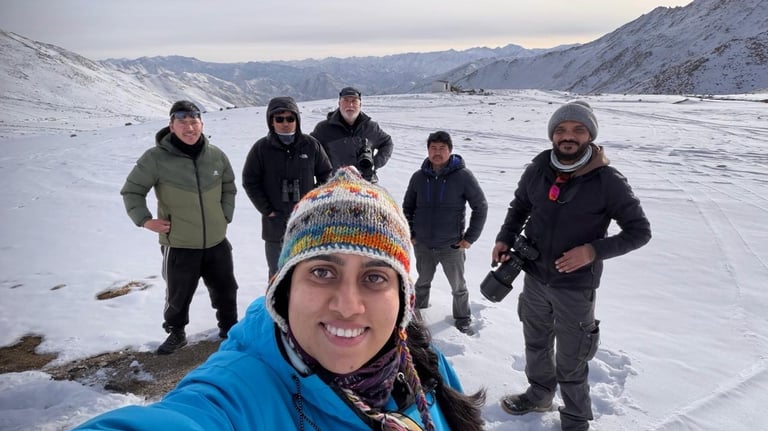
For wildlife photographers, the dramatic terrain itself became part of the experience. Frozen rivers, snow covered monasteries, remote villages, and towering mountain peaks created landscapes unlike anywhere else in the world. Even during quieter moments without wildlife activity, simply being present in these valleys felt special. Many guests told us that the expedition became more than just a wildlife tour. It became an opportunity to slow down, disconnect from daily life, and reconnect with nature in one of the planet’s last great wildernesses.
One of the most important aspects of modern snow leopard conservation is the relationship between wildlife and local communities. Traditionally, predators such as snow leopards and Tibetan wolves were sometimes trapped using a local technique known as Shangdong, traditional wolf traps built from stone. Today, these practices are no longer in practice, and conservation organisations such as the Nature Conservation Foundation have even helped transform some of these old traps into Buddhist stupas as symbols of coexistence and conservation. All the trackers and support teams working alongside our expeditions come from villages that have shared these mountains with snow leopards for generations. Their traditional knowledge of terrain, wildlife behaviour, and seasonal movement remains invaluable for ethical tourism and conservation.
Responsible wildlife expeditions also create direct economic opportunities for local communities through guiding, homestays, transport, hospitality, and field support. For us, these expeditions are about far more than sightings. They are about building respect for fragile ecosystems, supporting local communities, and helping ensure that snow leopards continue to survive in the wild for generations to come.


Shangdong: Traditional Wolf Trap.
Looking at Ladakh Urial on the way to Ulley.
Inside one of our homestay dinning room.
As winter fades,we look back on a season. Ten expeditions,Countless hours in the field, Wonderful wildlife encounters, and unforgettable memories shared in the field.
The 2025–26 season has already generated strong interest for next winter, and preparations for our 2026–27 Snow Leopard Expeditions are now underway.
If you have ever dreamed of tracking snow leopards in the wild, photographing the rare himalayan wildlife, or experiencing the beauty of Ladakh in winter, we would love to welcome you on one of our upcoming expeditions. Our small-group expeditions are designed for wildlife enthusiasts, photographers, and travellers seeking an authentic high altitude wilderness experience led by experienced local trackers and guides.